 Ashoka
From lighting products to systems change: what I learnt about social impact
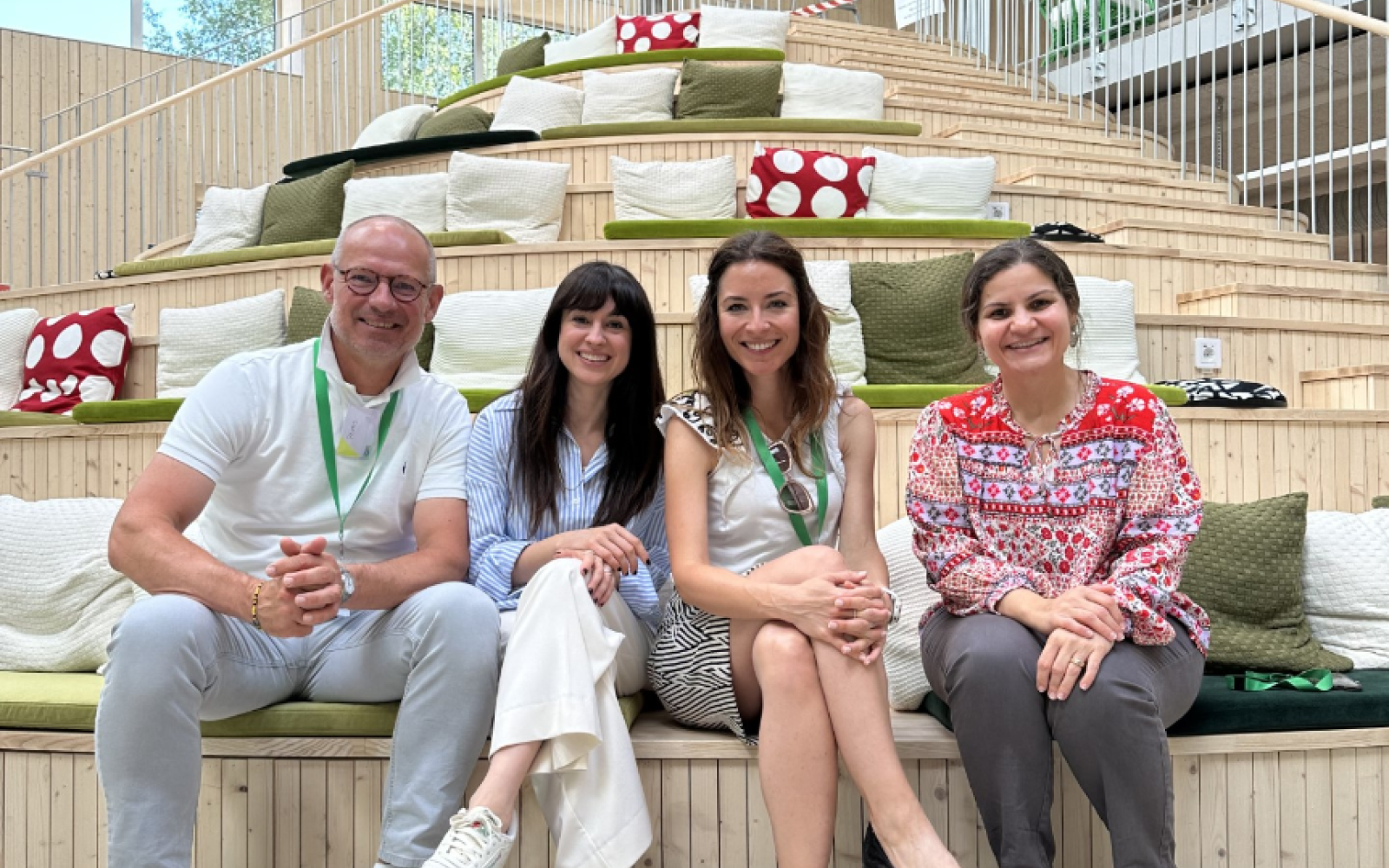
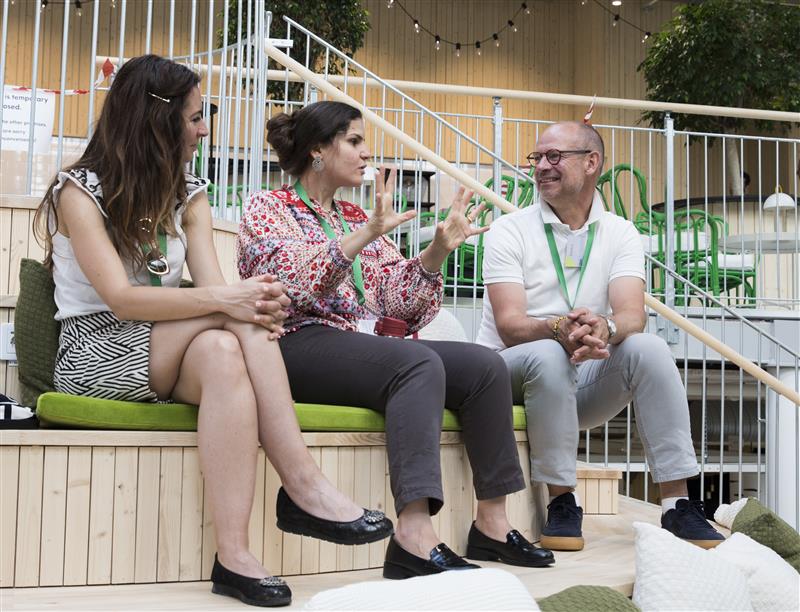
I still remember the day I met Raghda El Ebrashi, Prof. Dr. during the Social Entrepreneurship Summit in Älmhult in June 2023. Her expressive face, calm determination, warm personality, and unwavering belief in young people made an immediate impression. While still at the beginning of our project, the war in Gaza had broken out, yet this Ashoka Fellow and prominent social entrepreneur was not giving up. Supporting those less lucky than her, deprived of education and family support, was more important to Raghda than anything else. Watching her and working with her became a turning point in how I think about impact, leadership, and the role we can play beyond our everyday jobs. In my day-to-day role at IKEA, I lead product development for lighting, coordinating teams and navigating complexity across markets. Over the past year, I also took on the role of Market Specific Leader, identifying gaps in major markets like China and the United States and leading the development of locally tailored products - such as ceiling fans for the US - while working across time zones and teams. It was challenging and rewarding work, but two years ago my perspective broadened. After joining the IKEA Next Generation Leaders Programme, I was introduced to social entrepreneurship through the Dela accelerator. That experience reshaped how I see the role businesses and individuals can play in systemic change and ultimately led me to the Dela systems change programme. I’ve always felt a strong motivation to give back and contribute to something bigger than my everyday work in product development. Dela offered a way to do that, by supporting people who are already driving change in their communities. At first, however, I questioned if I could really contribute and make an impact. I’m based in Sweden, working in product development. How could my experiences be relevant to social entrepreneurs working in places like Egypt or India? But once I became involved, I realized something important: passion and vision are essential for change, but structure is equally powerful. Many social entrepreneurs have incredible ideas and a deep commitment to their communities. What they sometimes need is support in translating big visions into concrete steps. This is where I felt I could contribute by bringing project management skills, helping structure priorities, break down goals, and maintain momentum. Raghda was one of several social entrepreneurs and their teams who I had the opportunity to work with through the Dela programme. Another was Nikita Bengani, Director of the Youth Program at QUEST Alliance, an Indian organization that transforms learning ecosystems for youth to successfully transition from school to work. Even though I joined the project later, her energy was contagious. From the moment she presented the initiative, I knew I wanted to contribute. One of the biggest professional learnings from this experience was learning to step back. In my everyday role, I’m used to being a “doer”, driving projects forward and making things happen. In the Dela programme, however, the social entrepreneurs are the true experts in their own context. They understand the systems they are trying to change far better than we ever could from the outside. My role became something different: helping remove obstacles, providing structure, and offering guidance when needed. At first, this felt uncomfortable. I wondered if I was doing enough. But over time, I realized that support can be just as impactful as direct action. On a personal level, this experience has also made me more appreciative of the environment I live in. Living in Sweden means having safety, access to education, and freedom, things that can easily be taken for granted. Working with people who face daily uncertainty, yet remain committed to creating change, gave me a much deeper sense of gratitude. I also learned a lot about systems change. Initially, the concept felt abstract. But through this programme, I began to understand it in a very practical way: improving small parts of a broken system and creating ripple effects that lead to broader change over time. You rarely change everything at once. But when you start somewhere, impact can grow far beyond that first step. It’s easy to underestimate how valuable our corporate experience can be in supporting social entrepreneurs. We are used to working with multiple stakeholders, navigating complex organizations, managing resources, and turning ideas into action. These skills can be incredibly helpful for social entrepreneurs who are trying to engage with institutions, scale their initiatives, and build sustainable impact. One of the things that made Dela especially meaningful for me was the balance between structure and flexibility. The programme provided clear goals, timelines, and support, while also giving us the freedom to collaborate in ways that made sense for each project. The energy and commitment of the Dela community have made the experience truly special. Looking back, there are three lessons I carry with me: For anyone at IKEA who is considering joining the Dela programme, my advice is simple: do it. The experience is deeply rewarding and brings a strong sense of purpose. It connects you with inspiring people around the world and reminds you how powerful it can be when individuals come together to create change. Because meaningful change doesn’t happen alone, it happens together. Discover the Dela systems change accelerator programme: Discovering a way to contribute beyond my day-to-day work
Learning to support rather than lead
What I take beyond in my professional role