 Ashoka
COVID-19, tuberculosis, Ebola, Zika: When a health crisis hits a remote or Indigenous community, what usually happens?
The usual pattern, says Rachel Kiddell-Monroe, is that a major player in the humanitarian aid industry parachutes in to implement an external, cookie-cutter solution; wrings its hands and wonders why the crisis persists; and then doubles down on its efforts.
It’s a vicious cycle, perpetuated by a global aid system rooted in colonialism. With SeeChange Initiative, however, Rachel proposes a radical reimagining of that system: one that shifts power, funding, design, and implementation directly to the communities facing crises. SeeChange Initiative works globally to support communities in creating their own health-crisis responses. It also cooperates with established humanitarian organizations — for example, Doctors Without Borders/Médecins Sans Frontières — to demonstrate the effectiveness of community-led solutions.
SeeChange Initiative co-designed a series of community-led, Inuktitut language workshops and sharing circles that focused on the community’s understanding of and personal experiences with TB. “People needed to talk about what had happened to them: why they were sent away, why they were strapped to a bed, why they were operated on, why their baby was taken away. By the end of the week, with opportunities to speak and be heard, and with more understanding, they were more ready to take a leadership role in co-designing a TB prevention and treatment strategy. And then, when COVID-19 broke out, those same leaders were prepared to co-create a strategy to deal with the pandemic. That community didn’t have any cases for 18 months. And when COVID-19 finally did appear, they controlled it.”
By setting up community-based perpetual funds, which are owned by at-risk communities, SeeChange Initiative aims to shift crisis funding from large aid organizations to individual communities. “Local actors,” says Rachel, “are better positioned to deliver aid faster, more efficiently, and with a vastly greater understanding of local cultural contexts.”
As part of its COVID-19 work, SeeChange Initiative began building bridges between remote and Indigenous communities worldwide, and envisions expanding these networks.
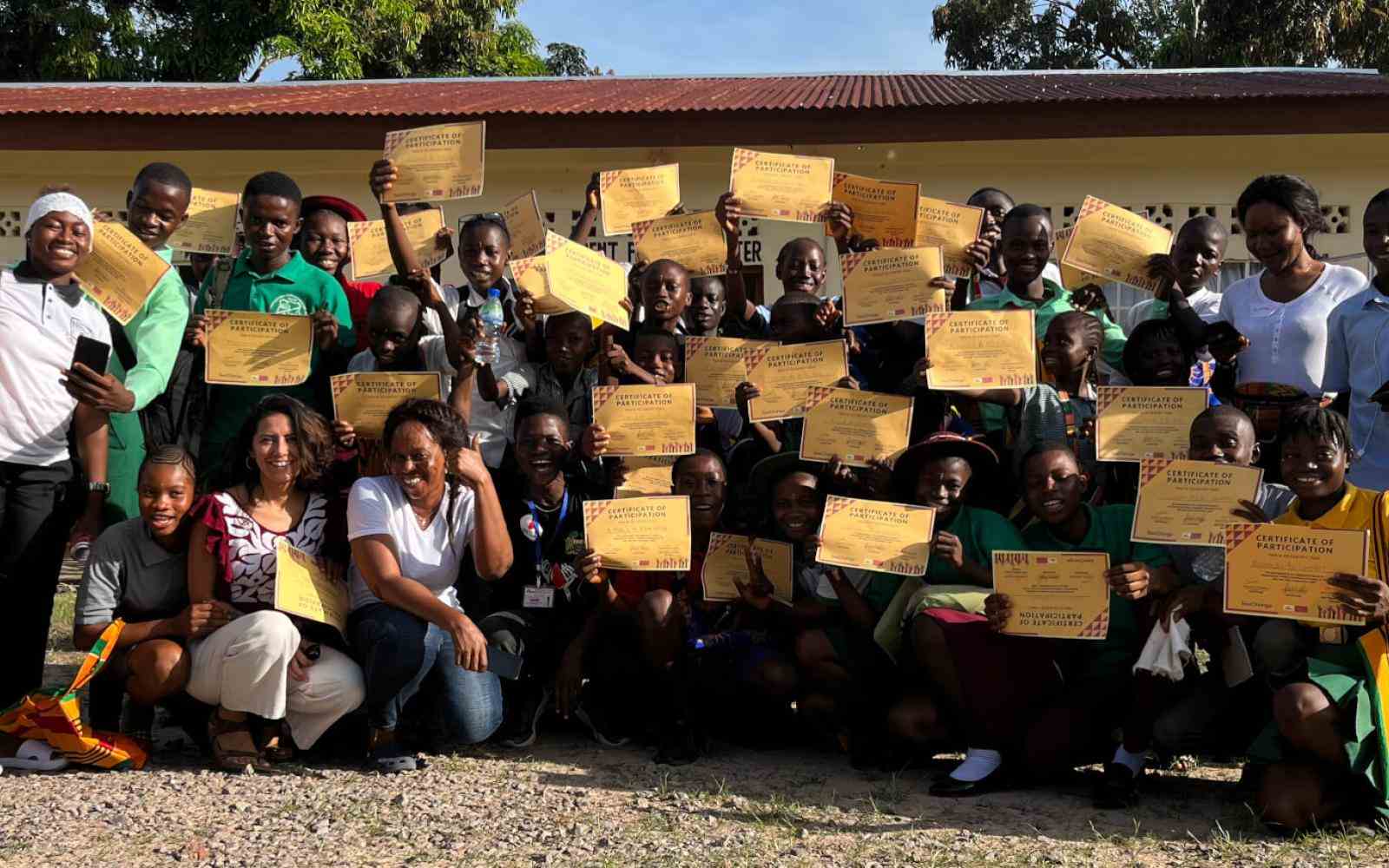
“We have extraordinary activists in communities from Nunavut to Peru, Sierra Leone to Venezuela, and more,” explains Rachel. “These are the real humanitarian actors, the ones on the ground who are defending their communities and protecting them against health and climate threats at all odds. So, rather than sending a global humanitarian charity to Sierra Leone, we can imagine communities in Peru sharing their strategies with communities in Sierra Leone and in Nunavut, who can share their wisdom with Indigenous peoples in Brazil, and so on. It’s such a commonsense solution that it begs the question of why it’s not already being done.”