 Ashoka
ASN Spotlight
Galya Frayman Molinas
ASN member since 2020
Turkey
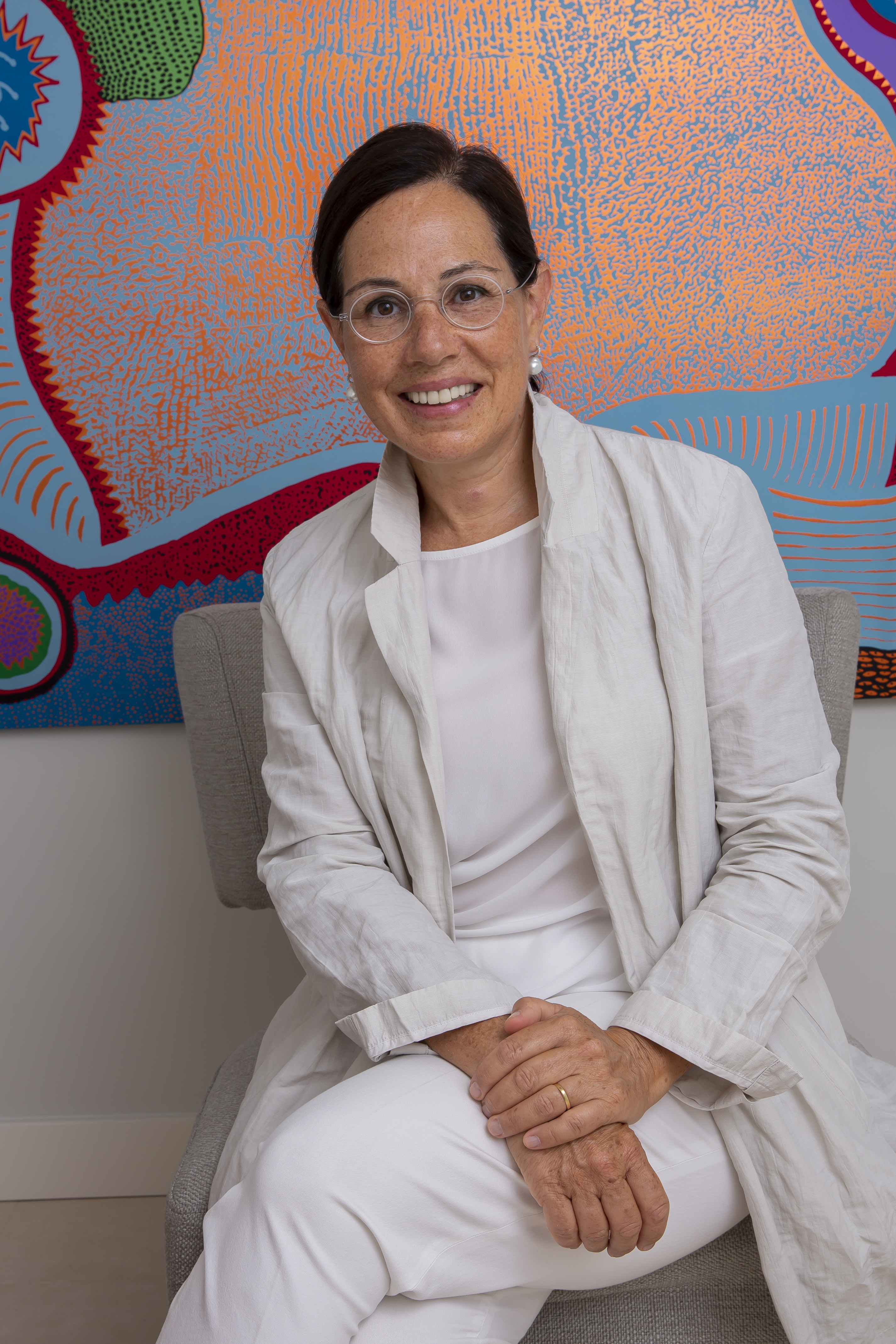
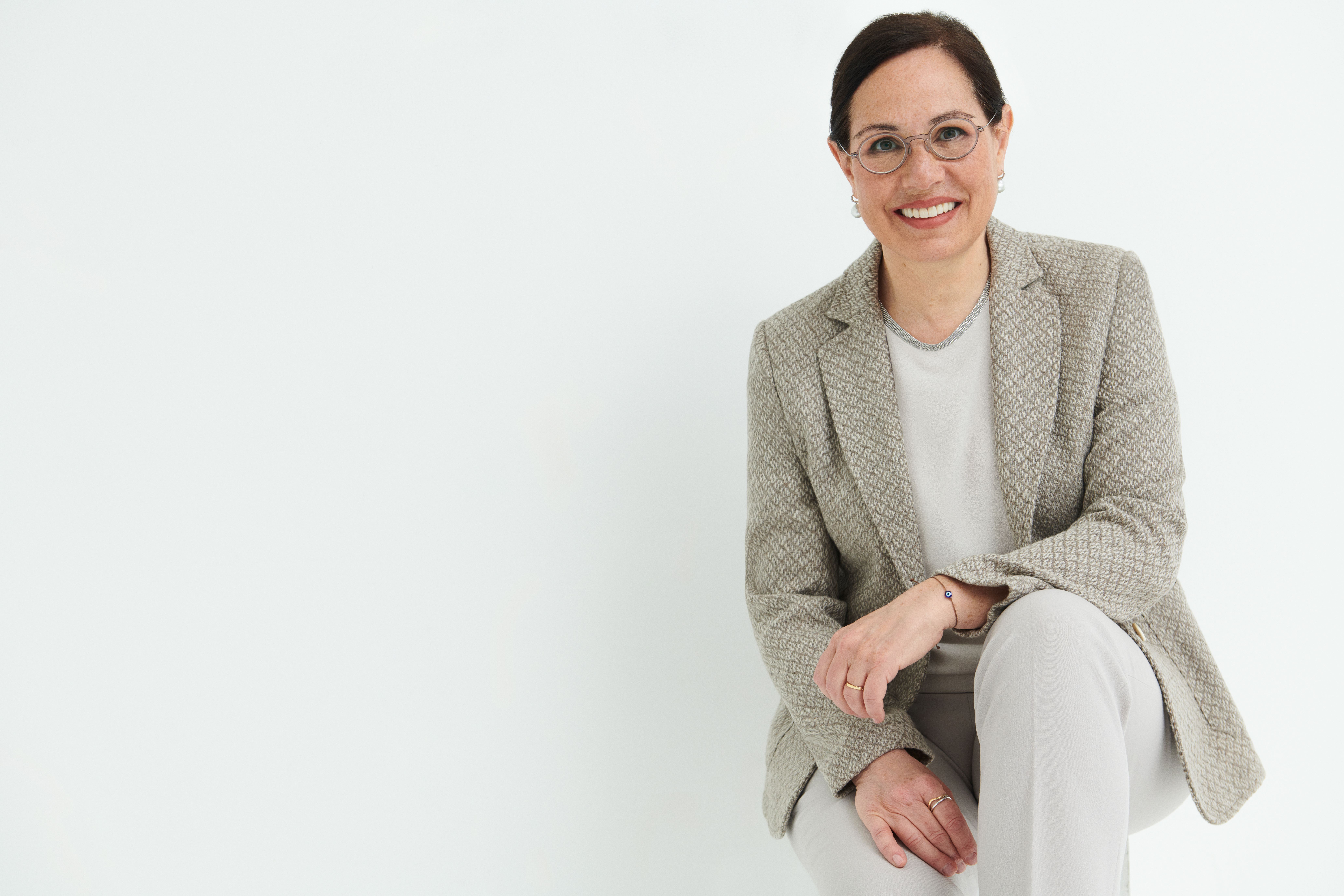
Galya Frayman Molinas, a global leader with over 30 years of executive experience in multinational corporations, has been a long-standing ASN Member of Ashoka Turkey and the broader changemaking community. With a strong background in strategy, operations, and sustainable business development, Galya has held leadership roles across diverse regions including Europe, the Middle East, South and West Asia and Latin America. Leveraging her global experience, she serves on both corporate and non-profit boards, supporting social entrepreneurs as well as impact-driven ventures, contributing to community-focused initiatives. Galya actively shares her expertise with changemakers in building inclusive high-performing teams and managing complex stakeholder ecosystems.
In this spotlight interview, led by ASN Global Communication Manager Yuliya Koroleva, she reflects on her transition from the corporate world, sharing lessons learned and forward-looking recommendations for the ASN Community in navigating today’s evolving landscape.
For those eager to join ASN, what’s the best way to get involved?
The key value is community. Engaging—whether online, over coffee, or through joint learning—is essential. Every meeting serves a purpose: to learn, connect, and potentially collaborate. Today, partnership is critical. ASN members can act as catalysts—connecting their networks and expertise with Ashoka’s needs. These partnerships might lead to investment, mentorship, or strategic support.
In your ASN role, how do you support Fellows—and could you share an example?
The process is often organic. ASN members often serve as drivers or connectors. I would like to share an example from Turkey: a Fellow teaching systemic change to institutions. We discussed how to engage businesses, form partnerships, and create economic value. It wasn’t a structured engagement—it evolved naturally. I am talking about Ekin Al. He leads Donut Economics Action Lab Turkey, which I believe has some affiliation with the broader Donut Economics framework. He's focused on regenerative and distributive new economy design. His impact is evolving, and I hope that our conversations helped him explore scaling, policy, and personal development strategies.
Do you also offer career coaching?
I focus on career transitions, especially for experienced professionals. I co-founded a global community called What’s Next, helping mid-career people explore new paths with meaning. We just completed our first cohort, guiding participants through introspection, experimentation, and personal branding.
Which example of systems change in Turkey inspires you?
One inspiring example from Ashoka Turkey involves a Fellow Mine Ekinci teaching coding in rural villages. It started with school children but grew to include work with the Ministry of Education—integrating policy. That’s systemic change: from individual impact to institutional collaboration. My current teaching also focuses on how to scale social enterprises systemically and sustainably.
Briefly, how do you scale a social enterprise?
Yes, indeed. In brief, there are three key elements:
- Ecosystem thinking – you’re not the only actor.
- Technology – digital tools are essential.
- Partnerships – scale happens through collaboration.
And the enabler? Discipline. We need to borrow from for-profit guidelines: structure, consistency, accountability, and a solid playbook for scaling.
What are common pain points for Fellows, and how can the ASN community better address them?
I would point out three key areas:
- Loneliness – being a changemaker can be isolating.
- Financing – sourcing and deploying capital with aligned values is complex.
- Scaling clarity – many lack a clear roadmap to scale.
ASN members are incredibly willing—but need better tools to connect. We need digital platforms that intelligently match Fellows and ASN members based on values, expertise, and needs. The ASN community is essentially a group of people who, when inspired, are ready to help. But the key is knowing how to ignite that energy. That’s why I mentioned earlier the importance of catalysts. For example, I've seen Perrine de le Court, Leader of Ashoka Support Network, as a role model in this—she does this beautifully because she knows the ASN community so well. She’s able to say, “Let’s connect the dots.” And connecting the dots is both a science and an art. My main request to Ashoka Community would be to digitally connect Fellows, ASNs, and the broader community in a way that enables us to truly leverage each other’s strengths. Right now, we rely more on the art—the amazing Ashoka people and their intuitive abilities to connect people. But there should be easier, more systematic ways to do this. The question is: how do we orchestrate all this potential into something truly valuable?

Speaking of innovation, which social trends are you most committed to?
I'm seeing incredible energy in emerging markets—Asia, Africa, Latin America—where needs are urgent and resilience is high. I also believe impact investment is still in its early days. Ashoka can play a stronger role in nurturing both institutions and individual leaders here. Training and capacity-building are key.
And how do you see the interplay between social entrepreneurship and impact investment?
They’re complementary. Social entrepreneurs must deliver tangible results, and I support for-profit models for sustainability—when the values are right. Impact funds bring structure and playbooks. The issue is balance: avoiding over-prioritization of financial returns. We also need better narratives around scaling and more visible success stories.
If you had a magic wand, what would you change in society?
Societal trust. It’s the currency of cooperation—essential for institutions, partnerships, and progress. Without trust, nothing sustainable can happen. I’d start there.
Full Interview Inside.
Explore the full depth of this compelling conversation and access the complete interview.