 Ashoka
ASN Spotlight
Jack Lowe
Switzerland
Why Ashoka’s Next Leap Depends on Execution, Fundraising Systems—and Learning by Doing
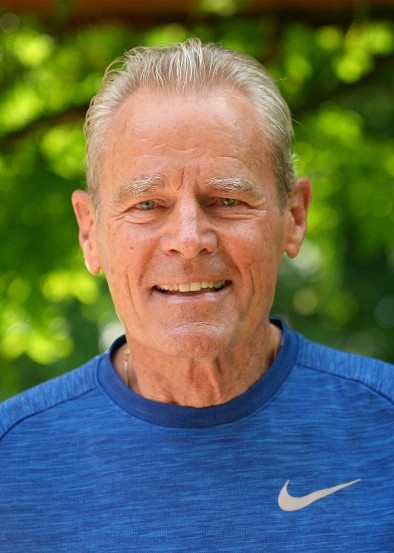
In a moment when social innovation is being tested by geopolitical turbulence and tighter funding climates, Jack Lowe — an 84-year-old entrepreneur and investor, former McKinsey & Company leader in Japan, and the founder of Fit for Life, a longevity-focused foundation — argues that Ashoka’s next leap will depend on something deceptively simple: sharper execution, stronger fundraising systems, and a more “business-trained” way of learning — by doing, failing, and iterating. In this conversation with Yuliya Koroleva, Lowe reflects on what business can teach social entrepreneurship (and vice versa), how AI can modernize fundraising, why longevity is a powerful entry point for systems change, and what he would prioritize if he had a “magic wand” to accelerate Ashoka’s impact.
Why did you create your own foundation rather than only partnering with existing NGOs?
I sold one of my companies, so I had funding and wanted to give it back in a structured way. A foundation is one of the best ways to do that. But it’s not always easy — there’s a lot of bureaucracy, especially in Switzerland. We also created a prize process to identify and support strong operators. Between 2021 and 2024, we selected 12 “laureates” — organizations with proven impact in healthy aging. One example is Siel Bleu, led by Ashoka Fellow Jean‑Michel Ricard, co‑founder of the movement and one of the largest initiatives in Europe focused on older people’s health. During COVID, as much of the available funding shifted toward emergency response, it highlighted the growing importance of private philanthropy for many NGOs. Our initiative remained largely self-funded.
What is your partnership with Ashoka actually about?
Ashoka has its own history and objectives. I’m a partner, I try to contribute experience: practical planning, modernizing fundraising, and using AI to raise money more systematically. For example, with AI you can map philanthropic infrastructure country by country; who the public offices are, who runs them, where they are, how to reach them. Historically, fundraising has been more ad hoc: pharma sponsorships like Boehringer Ingelheim, family foundations, and so on. But it hasn’t always been built as a repeatable process with trained fundraisers and clear procedures.
How does Ashoka's mission resonate with your own purpose?
Ashoka's mission of fostering social entrepreneurship resonates deeply with me. I feel a responsibility to give back, recognizing the privileges I have been fortunate to receive. That’s why I support Ashoka — not only its individual fellows but also the broader system that empowers them to succeed. The ripple effect of strengthening the ecosystem is extraordinary. Rather than executing projects directly, Ashoka focuses on enabling and amplifying the work of social entrepreneurs.
You’ve spoken about sport as part of your vision.
Why does it matter so much?
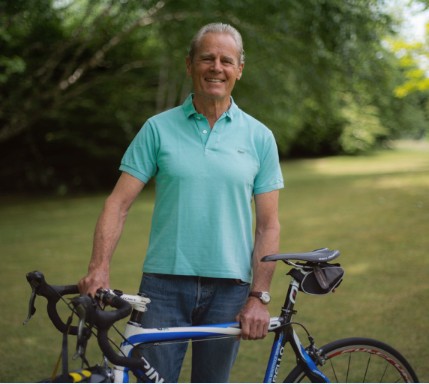
Because sport keeps people healthy over a lifetime, and it teaches teamwork, discipline, how to win and lose. Losing teaches you more than winning. One thing I’m keen to support is getting children in public schools more involved in sport — football, swimming, cycling. Ashoka has work in this area already in England, spearheaded by Kelly Davies*. I spent much of my life organizing teams — basketball, cycling — so I know how to build that kind of structure.
*Readers can find more info here: Home | Ashoka Sport for Changemaking
Tell me about your documentary Dare to Dream, which has just been released.
What message are you bringing into the world, and for whom?
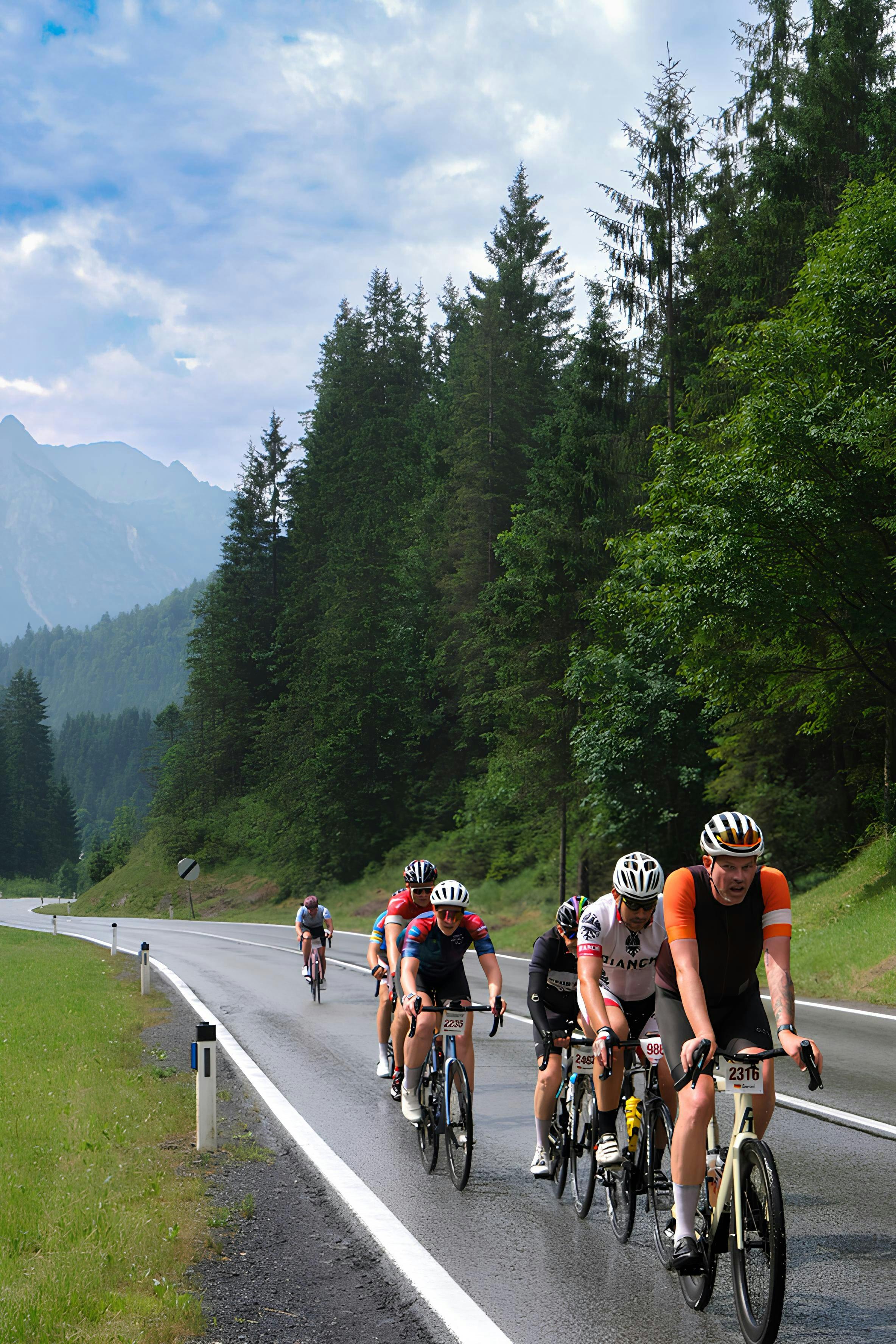
I wanted to show that staying fit — especially after 50 — is possible and transformative. We organized a cycling challenge modelled on the climbs of the Tour de France: seven days, 11 mountain passes, steep gradients. Everyone was over 50. No professionals. We filmed it with a very skilled cameraman. We submitted it to three streaming services, and it was accepted by all three. We recently reached a major milestone, with the film now available in many regions on Amazon Prime Video*.
The point is simple: if you keep working at it, improving, learning what you didn’t know before, you can do far more than you think — even at my age.
*Note: You can watch the film at Amazon Prime.
After engaging with Ashoka, what has changed for you?
It changed me. I’ve met so many people, been to many meetings, worked closely with several fellows. It made me feel I haven’t seen everything, and maybe there’s still a contribution I can make. I’m happy with that. It’s also made me realize I haven’t seen everything and that, even at my age, there are still areas where I can help build something that lasts.
Full Interview Inside.
Explore the full depth of this compelling conversation and access the complete interview.