 Ashoka
ASN Spotlight
Deborah Gundle
ASN member since 2024
United Kingdom
Deborah Gundle is a philanthropist and disability-inclusion advocate, as well as a member of the Ashoka Support Network (ASN). Through her work with the Seneca Trust and as Founder of Jweb, she supports families, caregivers, and social entrepreneurs in scaling impactful solutions. Inspired by her lived experience, Deborah champions disability as a core lens of social innovation, driving greater representation and accessibility within Ashoka and beyond.
And what outcomes stood out to you? Any surprising results?
It’s not really about the outcomes. The exercise is about something more important: everywhere I go, intellectual disabilities are overlooked. Philanthropy and organizations tend to focus on physical disabilities, with far fewer initiatives addressing intellectual disabilities, and even fewer for complex needs. My work is about mainstreaming intellectual disability inclusion across all sectors. Ashoka is helping me do this with social entrepreneurs, but I’m also working in other fields, like refugee systems. The goal is to ensure that people with intellectual disabilities have equal access to services and opportunities. It’s about embedding accessibility into the mainstream, not just producing findings.
Why do you think intellectual disability inclusion is often overlooked?
Let me start with the core reason. People with intellectual disabilities cannot advocate for themselves — by definition of their disability. There is no other disability where the person is unable to self-advocate. I'm speaking as a parent of someone with severe learning disabilities. My son lives in supported accommodation. If he lived with me, I simply wouldn’t be able to cope physically or emotionally. He needs a team. I’m one of the lucky ones — many families don’t have that support. So, the issue gets overlooked because everyone connected to it is under-resourced, overwhelmed, and exhausted. That’s a major factor.
Systemic Exclusion
Moving from the “why” to the “how” — what would need to change from a systems view?
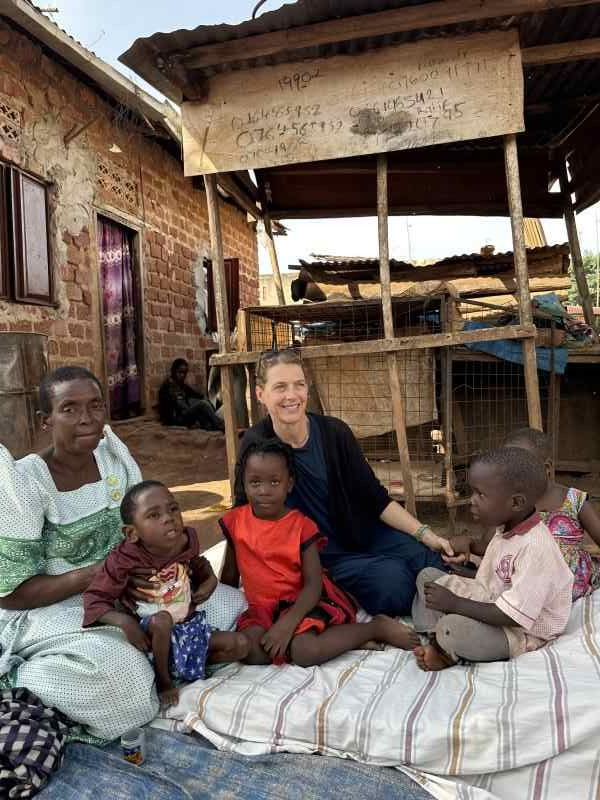
Let me give you an example. I once met with one of the major banks and spoke to four heads of programmes in their philanthropy department. I asked: “Do you have a dedicated focus area for disability?” Their answer, to my shock, was: “Anyone who is disabled can access whatever services we support.” That response is very typical — globally. People assume disability doesn’t require a distinct strategy or stream. They don’t understand that disability — intellectual or physical — requires different thinking, different access, and specific inclusion.
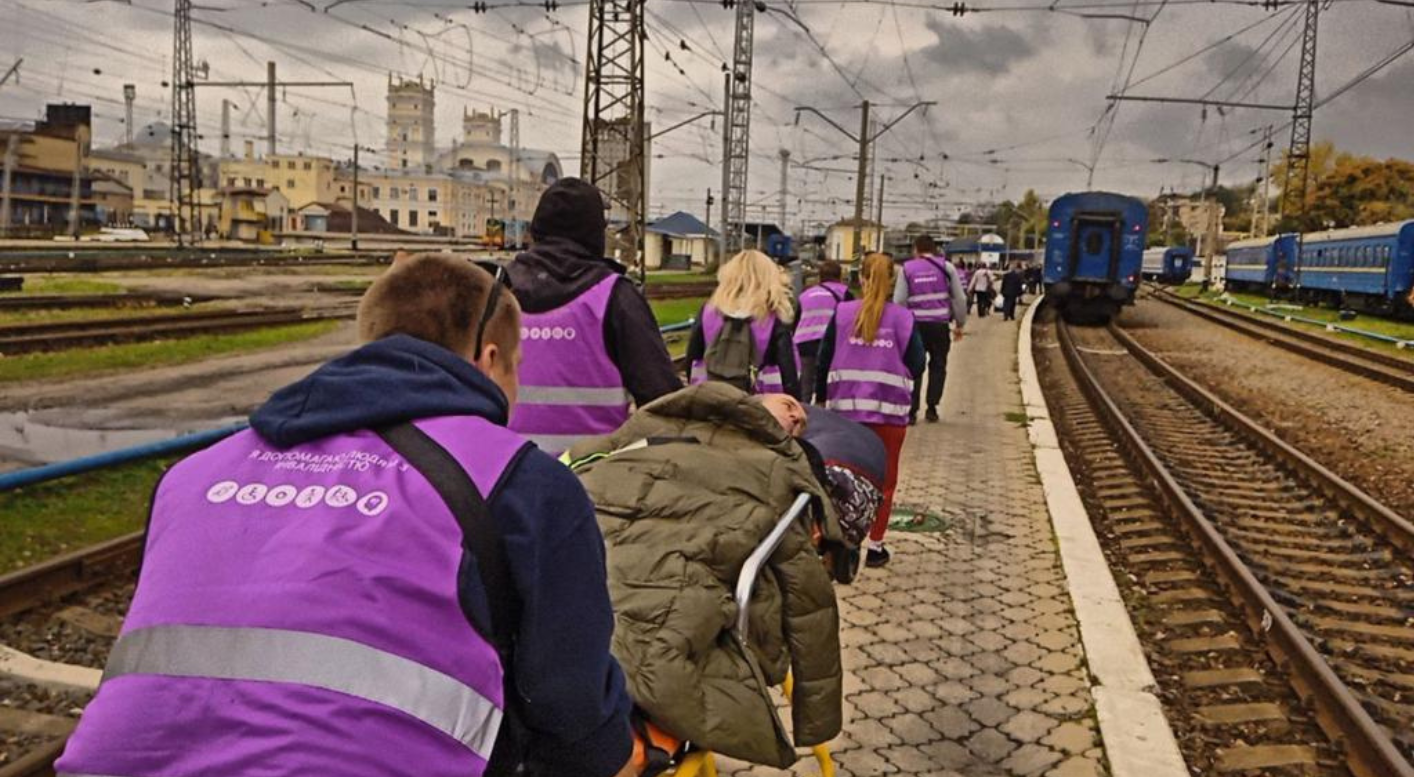
Here’s a stark example. Across the world we have wars, floods, fires — and wonderful emergency organisations responding. But if you have a disability, will those emergency responders be able to help you? Usually, the answer is no. They often don’t know where disabled people are, how to reach them, or how to support them. In most crises, the highest death rates are among disabled people. That alone shows why disability must be treated as a dedicated stream, not an afterthought.
Turning to Ashoka ASN — what is working well, and are there any areas for improvement?
The work we’re doing with Lorena García Durán; a Global Ashoka staff member, has been crucial. Historically, Ashoka hadn’t mainstreamed disability. Yes, there were Fellows with disabilities and Fellows working in the field, but that happened by chance, not by design. Now there is conscious effort. Around 22% of any population has some form of disability — not even counting temporary disabilities. The Ashoka network did not reflect that. After our work together, the organisation is aiming to correct that imbalance and become more aware and more supportive. Disability has been under the radar — and Ashoka is now addressing it.
Value in ASN
Why didn’t you become an Ashoka Fellow yourself?
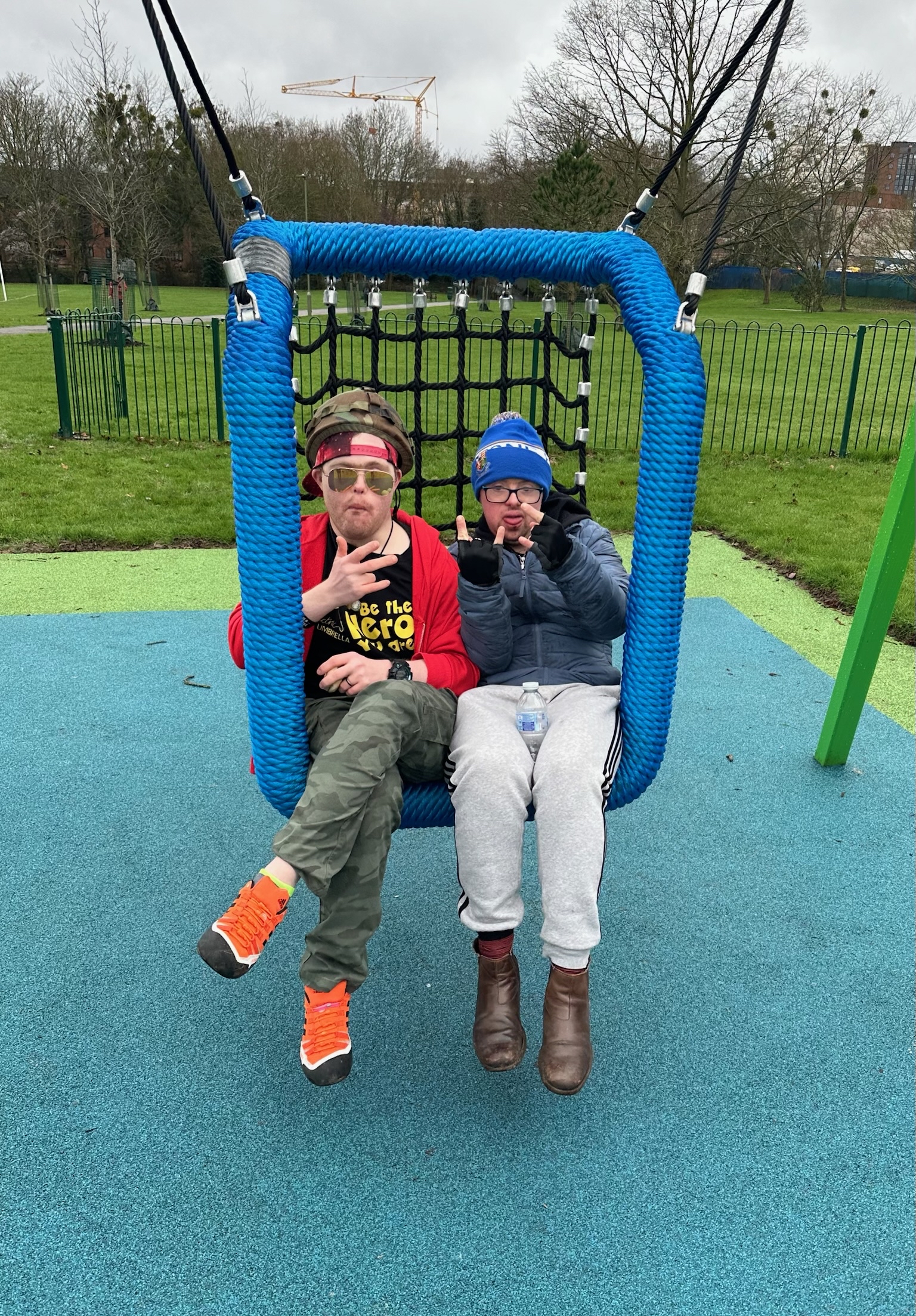
Being part of the ASN connects me to social entrepreneurs and supporters — my people, my community. That matters deeply. It also allows me to help identify and support social entrepreneurs through the network. I’ve also run my own social entrepreneurial projects — for example, creating the first purpose-built accessible and inclusive public playground. That alone could qualify me to apply as a Fellow. I also have access to resources through my own network. So, my contribution is more valuable as an ASN member than as a Fellow.
Full Interview Inside.
Explore the full depth of this compelling conversation and access the complete interview.