 Ashoka
ASN Spotlight
Susi Hillebrand
ASN member since 2019
Austria
Susi Hillebrand, co‑founder of the Hil-Foundation and a dedicated member of the Ashoka Support Network, shares her journey from activism to philanthropy. With over 15 years of experience driving initiatives in education, diversity, and mental health, she focuses on building trust based‑ collaborations and empowering young people through innovative programs such as the Girls’ and Boys’ Boards. In this interview led by Global Communication Manager Yuliya Koroleva, Susi reflects on her path, her activism for diversity and inclusion, and the lessons she has learned about systems change.
Favourite Hil‑Foundation systems change example?
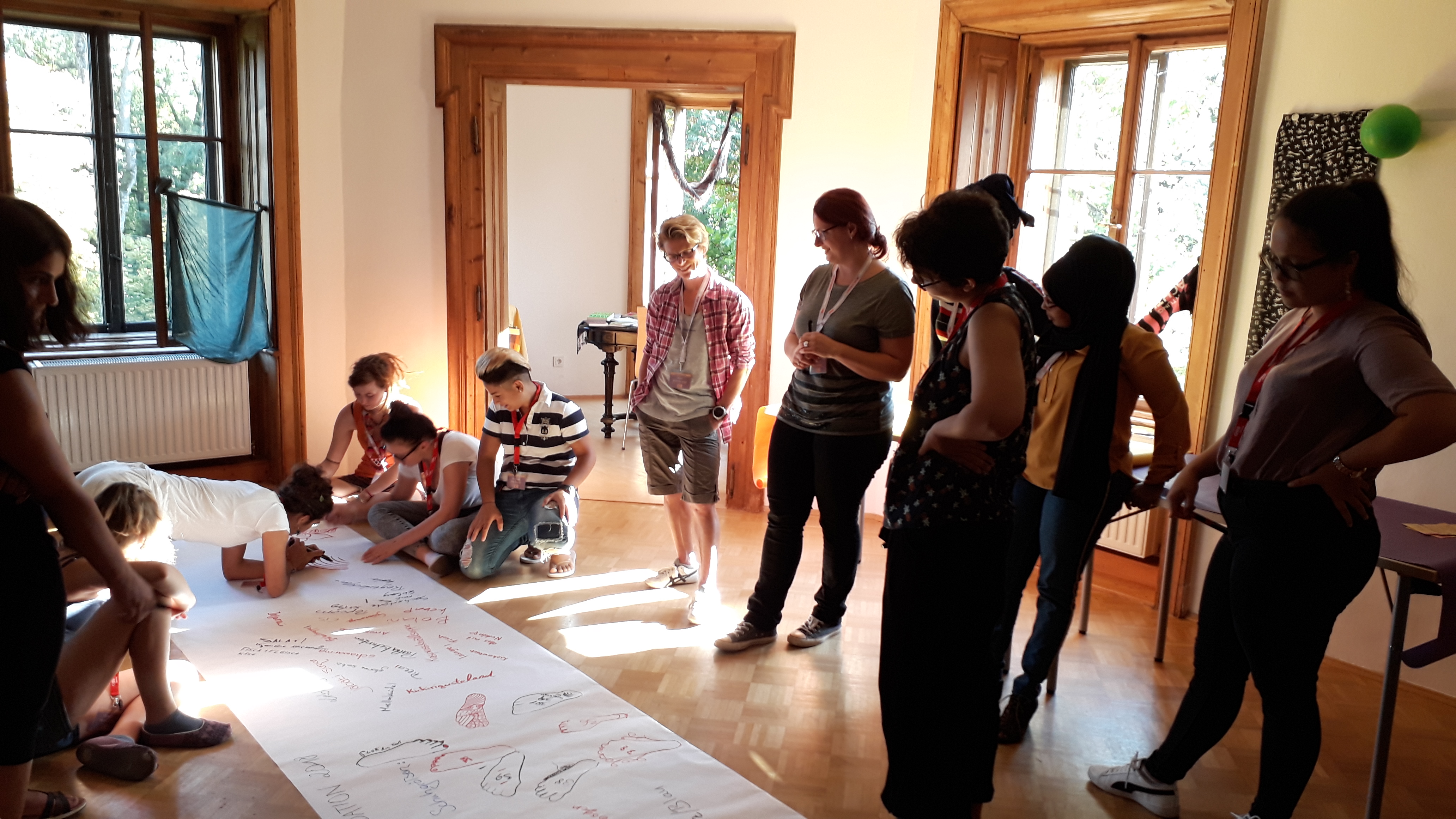
One of our own programs is the Girls’ Board and Boys’ Board. It’s very low-threshold—organizations can apply easily. Then, instead of adults or directors making the decisions, the girls and boys themselves decide which projects get funded. This gives them the chance to shape and influence their own ecosystem. In the area of mental health in the changemaker space, we work to integrate the topic from the ground up, making it practical and embedded across the board. Today’s youth need something very different than we needed 35–40 years ago. I don’t want to decide what they need; they should decide for themselves. I can offer support—encouraging involvement in democracy and helping with questions like: how can I fail without shame? How can I empower myself and become stronger in a vulnerable world?
What does wealth mean to you—and has your view evolved?
Across networks, workshops, and Ashoka, there are many questions when you’re more privileged: how to get involved, how to take responsibility. It’s always a new step—taking more responsibility and becoming more aware of how much you can give and how much you need.
Should philanthropy challenge how wealth is accumulated? How does Hil-Foundation reflect that?
There is an important conversation in philanthropy about where wealth comes from and how it is used. Philanthropy should stay aware of these questions and make sure that resources are redistributed in ways that strengthen equity, agency, and long-term systemic change. At the Hil-Foundation, we reflect this by working in a low-bureaucracy, trust-based and community-led way: shifting power to those with lived experience, supporting early-stage solutions, and ensuring that funding serves broader societal benefit rather than reinforcing existing power structures.
We need more philanthropists. How do you encourage people with privilege to give back?
I’m a member of the ASN network and often share what I’m doing and raise the question: “How much is enough?” When I’m with people who are more privileged, I try to bring that into the conversation. But there are many layers of fear—whether you’re a founder with first-generation wealth or someone with inherited wealth; whether you feel permitted to act freely; whether you can identify with the level of resources you have. If you can’t identify with it, it’s difficult to get involved. There is a lot of research that explores what holds people back from taking action.
Across networks, workshops, and Ashoka, there are many questions when you’re more privileged: how to get involved, how to take responsibility. It’s always a new step—taking more responsibility and becoming more aware of how much you can give and how much you need.
How do you see the long-term success of the Hil-Foundation—say in 10 years?
It’s hard to focus that far ahead—the world is changing so fast. For me it’s about being open-minded, taking it step by step, staying on the balance board, and focusing on what is needed right now.
What biggest advice would you give to emerging social entrepreneurs?
Be bold. Go out and talk about the world—including the most vulnerable aspects in yourself. Don’t be ashamed of anything.
What do you value most in Ashoka and ASN?
I value Ashoka and the Ashoka Support Network for their deep experience in supporting social entrepreneurs and for the strength of their global community Ashoka strongly supports Fellows (and their teams) to gain skills, get mentors, and what they need. This tailored, people-centred approach and the powerful network behind it are what I value most.

Full Interview Inside.
Explore the full depth of this compelling conversation and access the complete interview.