 Ashoka
ASN Spotlight
Bernard Meeus
ASN member since 2008
Belgium
For more than 15 years, Bernard Meeus has brought his entrepreneurial clarity, human warmth, and deep sense of responsibility to the Ashoka community. As Managing Partner and then as Chairman of the Board at Alcogroup SA, with an MBA from the University of Chicago and a background in engineering, Bernard has built a career at the crossroads of business leadership and social commitment. Since joining the Ashoka Support Network in 2008, he has accompanied Fellows, contributed to Globalizer journeys, and championed the belief that real change begins when people are empowered to shape their own future.
Could you please share examples that have shaped your view of social entrepreneurship!
One of the first examples I remember was a project in a disadvantaged neighbourhood. They were trying to reintegrate people through music by creating an orchestra with children who came from families with very limited means, often living in difficult neighbourhoods. The school was called REMUA. I attended a concert later, and I saw these children; each of whom had received an instrument they didn’t know how to play; performing together after learning for some time. It was beautiful to see how they learned to collaborate, to work together, to build something collectively. Especially in a context where there was a lot of social tension. That project really illustrated what social entrepreneurship can do: create dignity, collaboration, and confidence where it is most needed.
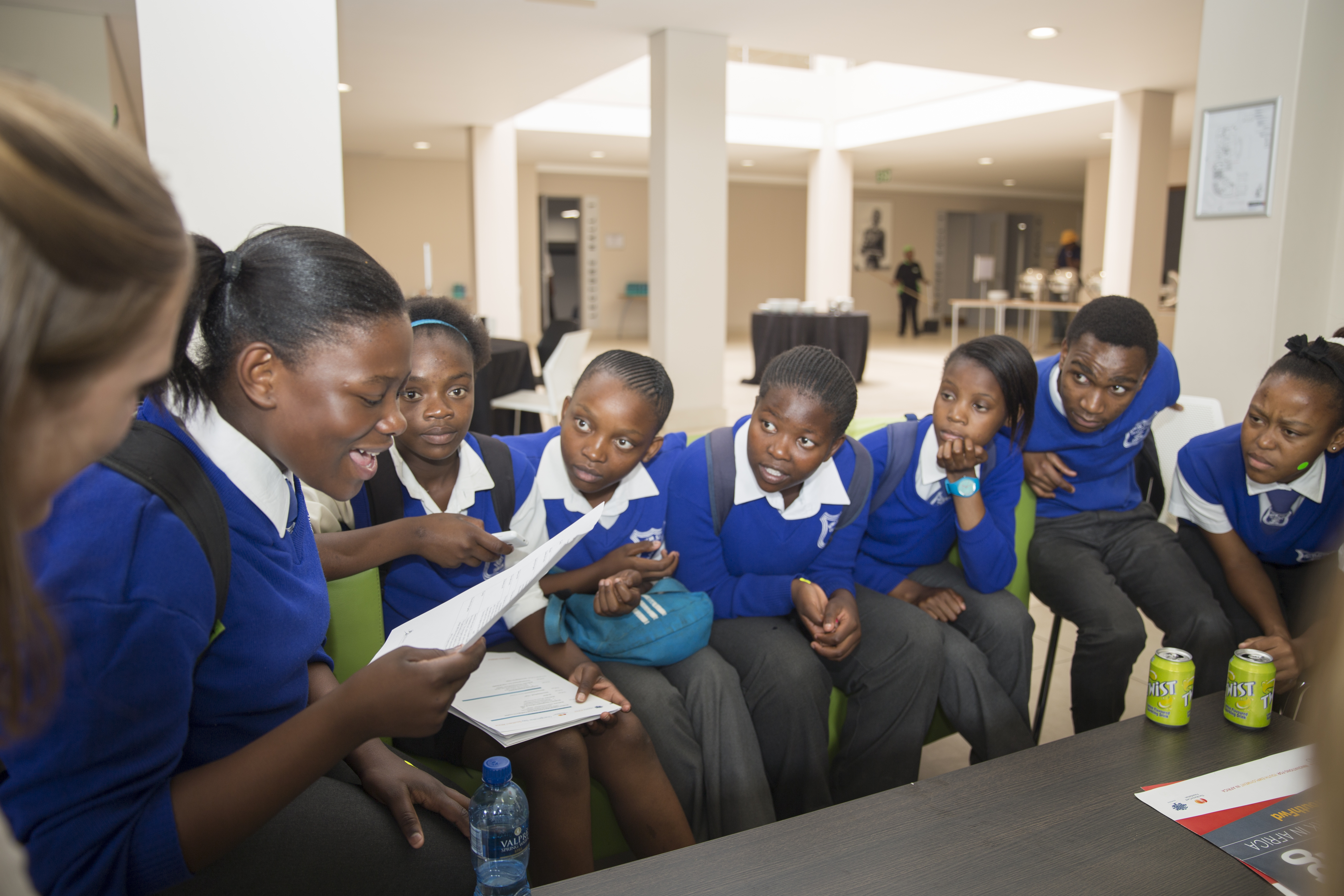
Another example that stayed with me comes from the Globalizer program. I met a #Fellow from South Africa; Pat Pillai. He grew up in a slum in Cape Town. At some point, he said he was tired of the assumption that solutions to post-slavery and post-colonial challenges must come from outside communities rather than from within. He believed solutions should come from the people themselves. He created Life College, a social enterprise that offers champion mentality, character and leadership education to youth, communities, business and government. Young people aged 6 to 18 attended that school to reinforce their identity, using leadership examples like Nelson Mandela. The school grew enormously, and many students went through it with excellent results. They became more confident, more responsible, more capable of taking their destiny into their own hands.
Why did these examples resonate with you personally?
Because I truly believe that solutions must come from the people themselves. Organizations like Red Cross do important work, but they don’t solve the root causes. When you create schools or programs that build identity, confidence, and skills, people can find jobs more easily. And when you have a job, you integrate into society, you gain trust in yourself, and you are better equipped to face life, which is not always easy. And this is not only true in South Africa. Even in Belgium, many people lack motivation, trust, or confidence. They ask themselves, “Why should I work? Why should I do anything?” And they end up doing nothing positive with their lives. So, reinforcing identity and building trust; focusing on soft skills; is extremely important. That’s why these examples stayed with me.
What makes Ashoka’s approach different?
Ashoka empowers people from the community to solve problems themselves. They become changemakers. Other organizations also do good work, such as creating homes and teaching children soft skills. But I prefer to support organizations when I know the people behind them and understand how they work. What makes Ashoka different is that change comes from within the community itself, and the social entrepreneurs I have met are truly changemakers.

Full Interview Inside.
Explore the full depth of this compelling conversation and access the complete interview.