 Ashoka
ASN Spotlight
Olivier Kayzer
ASN Founder in 2004
France
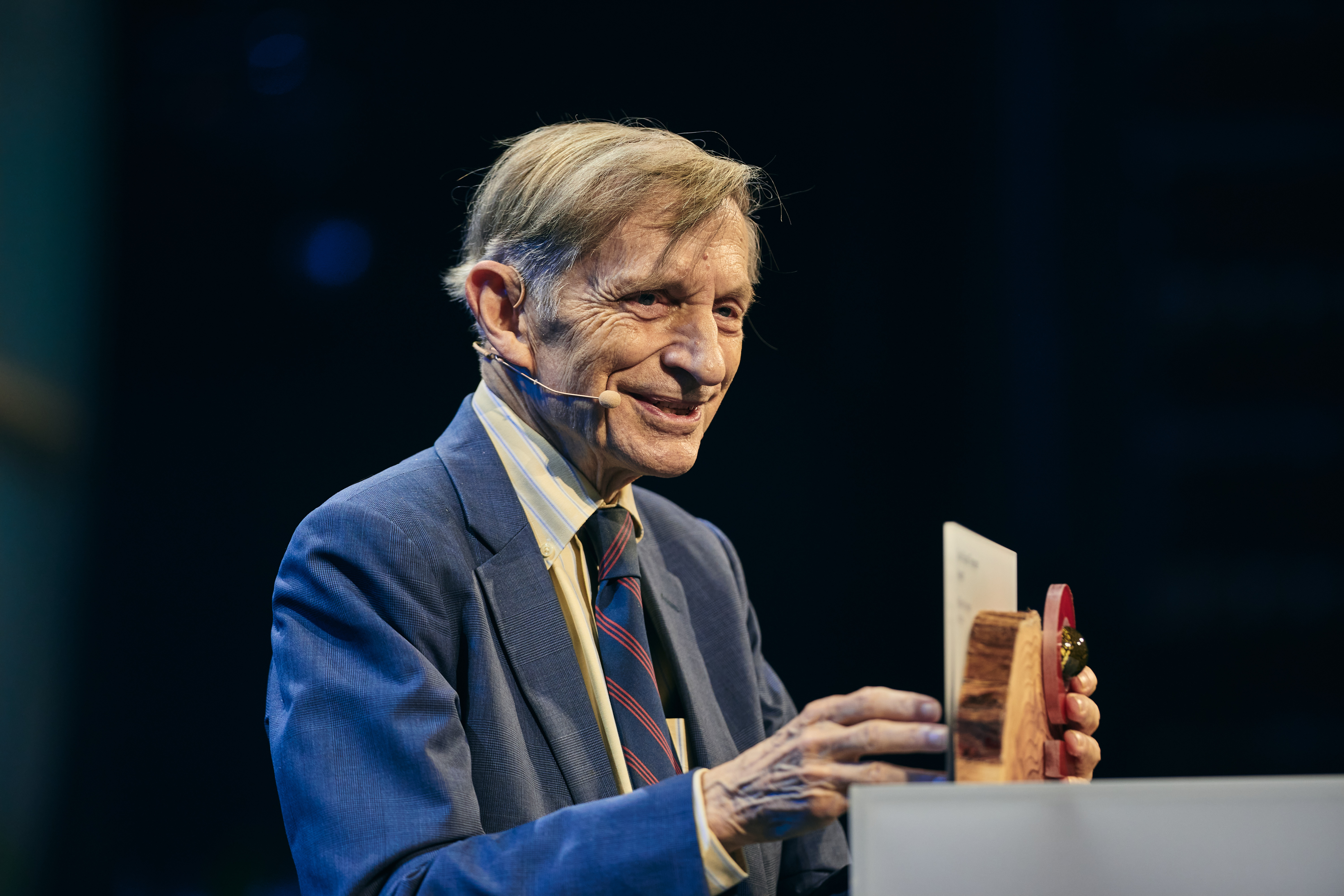
As the global social impact sector continues to grapple with questions of scale, sustainability, and meaningful engagement, few initiatives have reshaped Ashoka’s ecosystem as profoundly as the Ashoka Support Network (ASN). In this interview, Yuliya Koroleva, ASN Global Communication Manager, speaks with Olivier Kayser, former Senior Partner at McKinsey & Company, founding force behind Ashoka in France and founder of Hystra, an impact strategy consulting firm. Olivier reflects on the personal turning point that led him from corporate leadership to social entrepreneurship, the radical philosophy that shaped the ASN creation, and two decades of lessons on community, risk, and system change. From redefining philanthropy as engagement rather than fundraising to envisioning ASN as a global knowledge-driven force, he offers a holistic, experience-based perspective on the past, present, and future of the Ashoka Support Network (ASN), a community that has quietly reshaped how Ashoka engages talent, capital, and commitment.
Stepping back: how did you personally come to Ashoka?
I was a senior partner at McKinsey and decided to leave when I was 45; midlife crisis, perhaps. I thought: what would I think of myself the day I die? Being a senior partner at McKinsey wasn’t going to be enough for me. I decided to do something in philanthropy, but I had no clue how. A friend told me about Ashoka; I had never heard of it. I met Fernande Raine, who was tasked with starting Ashoka in Europe. I liked that it was multinational, cross-sector, entrepreneurial; and that I could help start something new. Then Bill Drayton, Ashoka's Founder, came through Paris. We spent half a day together. He shared his vision, and I barely spoke. From that day, I didn’t see the world the same way.
What was the highlight of your conversation with Bill Drayton?
The notion of system change. Not giving fish, not teaching how to fish; reinventing the fishing industry. I loved that. It was strategic. Social entrepreneurship isn’t complicated because it’s social; it’s complicated because it’s entrepreneurship. Jean-Baptiste Say in 1803 identified the critical role of entrepreneurs; the scarcest resource; in economic growth as they take capital from areas of low productivity to areas of high productivity. You remain an entrepreneur as long as you disrupt the system; once you just manage and grow, you lose that entrepreneurial quality. After 18 years advising large corporations that capture value rather than create it, listening to Ashoka #Fellows focus on creating value was rejuvenating. I probably learned about strategy with Fellows more than at McKinsey.
So, what is your vision for the future of ASN?
I see two major opportunities to further strengthen ASN’s impact.
Accelerating the growth of the community by enriching the member experience. In France as in other countries, we have the potential to bring together a much larger network. To achieve this, we need to further structure our approach to community engagement: proactively tracking participation, understanding what motivates our members, and intervening early when signs of disengagement appear. Offering more meaningful opportunities to contribute, providing constructive feedback to mentors, and supporting them in building new skills can significantly enhance the ASN experience. When members feel valued and empowered, they naturally become our most effective ambassadors to attract new talent.
Transforming ASN into a true platform for shared knowledge. We have an extraordinary wealth of collective expertise that could be organised more systematically, globally. By developing thematic practices; such as corporate partnerships, fundraising, governance, or financial strategy; and by structuring our learnings, we would enable any ASN member, anywhere in the world, to access reliable, actionable expertise. Over time, these thematic leaders would gain both depth and perspective thanks to the variety of cases they encounter. This would not only amplify our collective impact but also significantly enhance the perceived value for members.

What kind of help does ASN need to scale?
Communication should come through the experience itself. If an ASN member tells friends about what they personally experienced; not what they were told; their friends will be convinced. Our job is to ensure ASN members have a great, rewarding experience. Then word of mouth will do the rest. We must avoid mistakes: respect the rules, interview candidates, don’t ask for money, don’t negotiate upwards, don’t get in the way. Not getting in the way also means measuring engagement, interviewing systematically anyone who leaves or stops paying, ensuring people get what they expected; or not bringing in someone who isn’t a good fit.
In your view, who is the “right fit” for ASN?
We aim to engage individuals who have succeeded professionally, not necessarily as entrepreneurs. They bring useful skills, networks, and a genuine desire to contribute. ASN does not attract people seeking prestige; there is no status attached to giving more, and that’s an important strength. Recruitment works best through word of mouth. When members refer people they trust, and candidates are endorsed by two ASN members, the fit is almost always strong. These profiles are not scarce; we simply need the right conduit, and personal referrals remain the most effective. It’s also essential to position ASN correctly: it is a fellowship program, not a fundraising one. Placing it under fundraising encourages the wrong mindset. ASN belongs alongside venture and fellowship, ideally under unified leadership to maximise alignment and impact.

Full Interview Inside.
Explore the full depth of this compelling conversation and access the complete interview.